LODYSSEY OF POOR THINGS

NAVIGATING ITS INSPIRATION AND INFLUENCES

The Concept

“Besides, a life without freedom to choose is not worth having.”
Bella Baxter


“Poor Things” is a cinematic tapestry woven with various cultural and historical threads blends a mix of cultural, historical, and mythical elements that deepen its story.
The film, an adaptation of the novel by Alasdair Gray, tells the story of Bella Baxter, a woman brought back to life with the brain of an infant, who embarks on a journey of self-discovery and defiance against societal norms.
Lanthimos's direction in “Poor Things” brilliantly incorporates influences from various epochs and art forms, making the film a rich visual and intellectual experience.
For instance, the concept of the Grand Tour, a 17th Century custom where young aristocrats traveled across Europe to absorb cultural legacies, parallels Bella’s personal journey. Her travels and experiences symbolize a grand tour of human emotions and societal roles, reflecting a deep quest for identity and meaning in a constraining Victorian society.
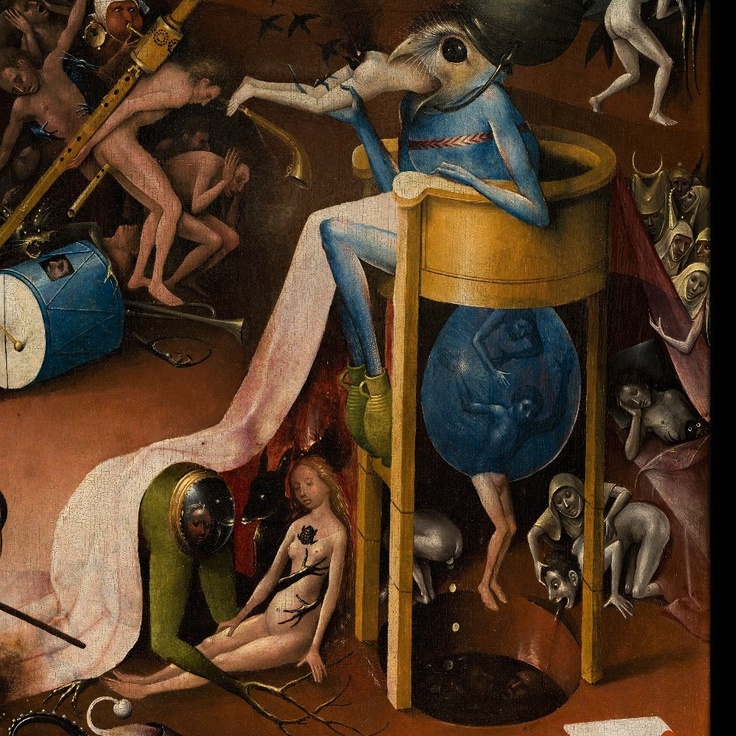
The film’s aesthetic and thematic layers also draw comparisons to Hieronymus Bosch’s painting “The Garden of Earthly Delights”. Just as Bosch’s work depicts a surreal, intricate vision of paradise and damnation, “Poor Things” presents a fantastical, yet disturbing vista of human life, teeming with grotesque realities and eccentricities. Bella’s resurrection and subsequent adventures can be seen as a move from innocence to experience, mirroring the triptych’s journey from Eden to a haunting earthly existence and eventual hellish consequences.
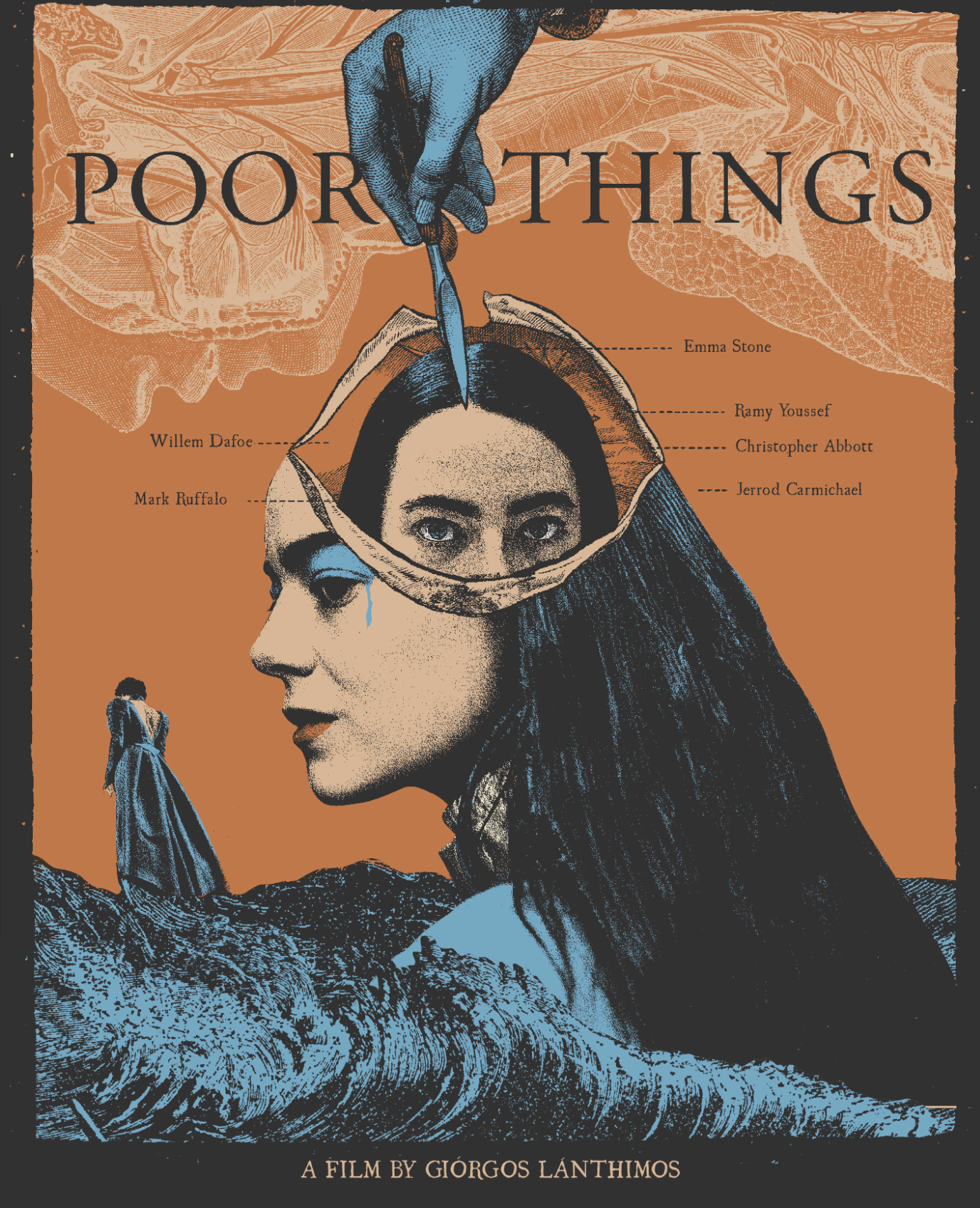
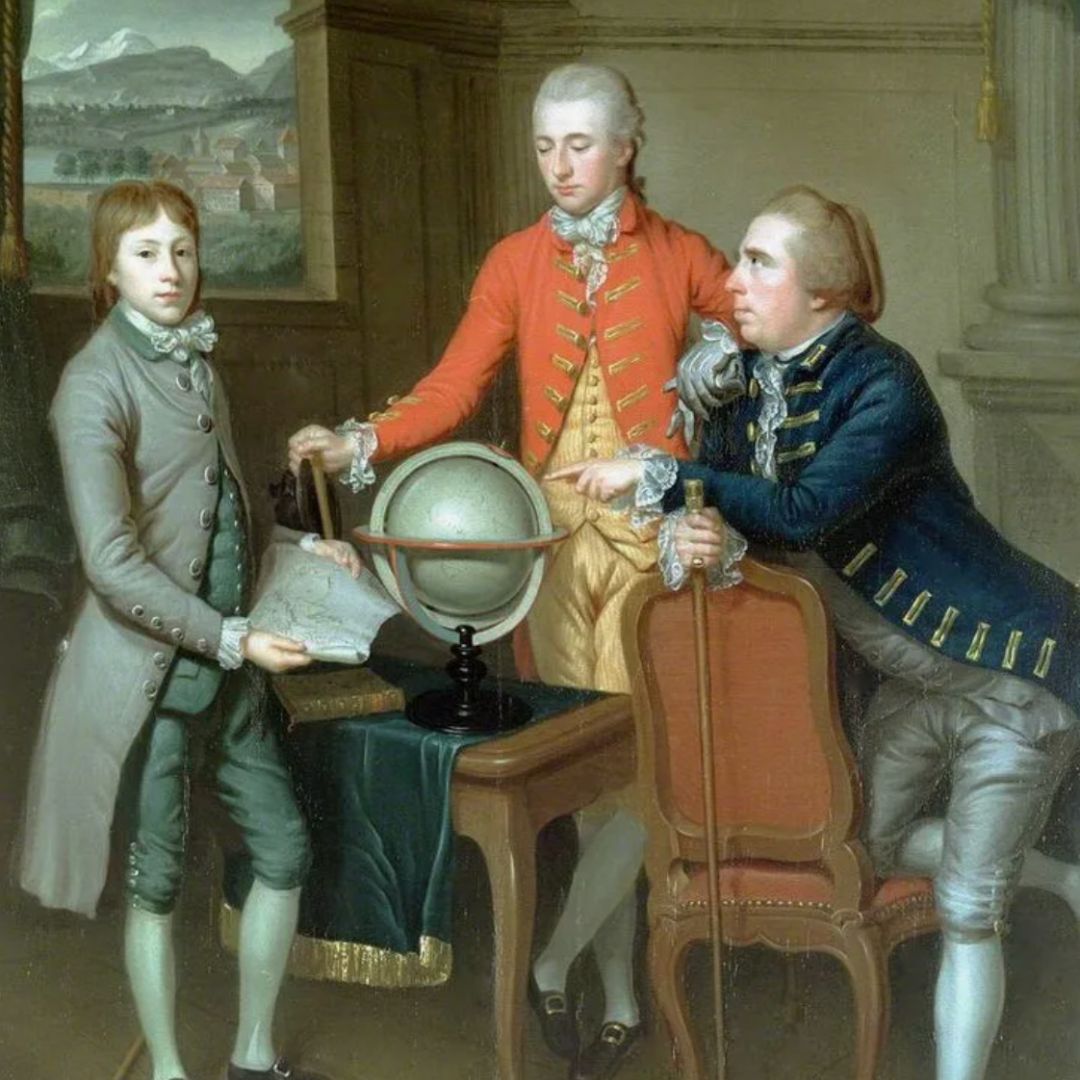
bella baxter 1

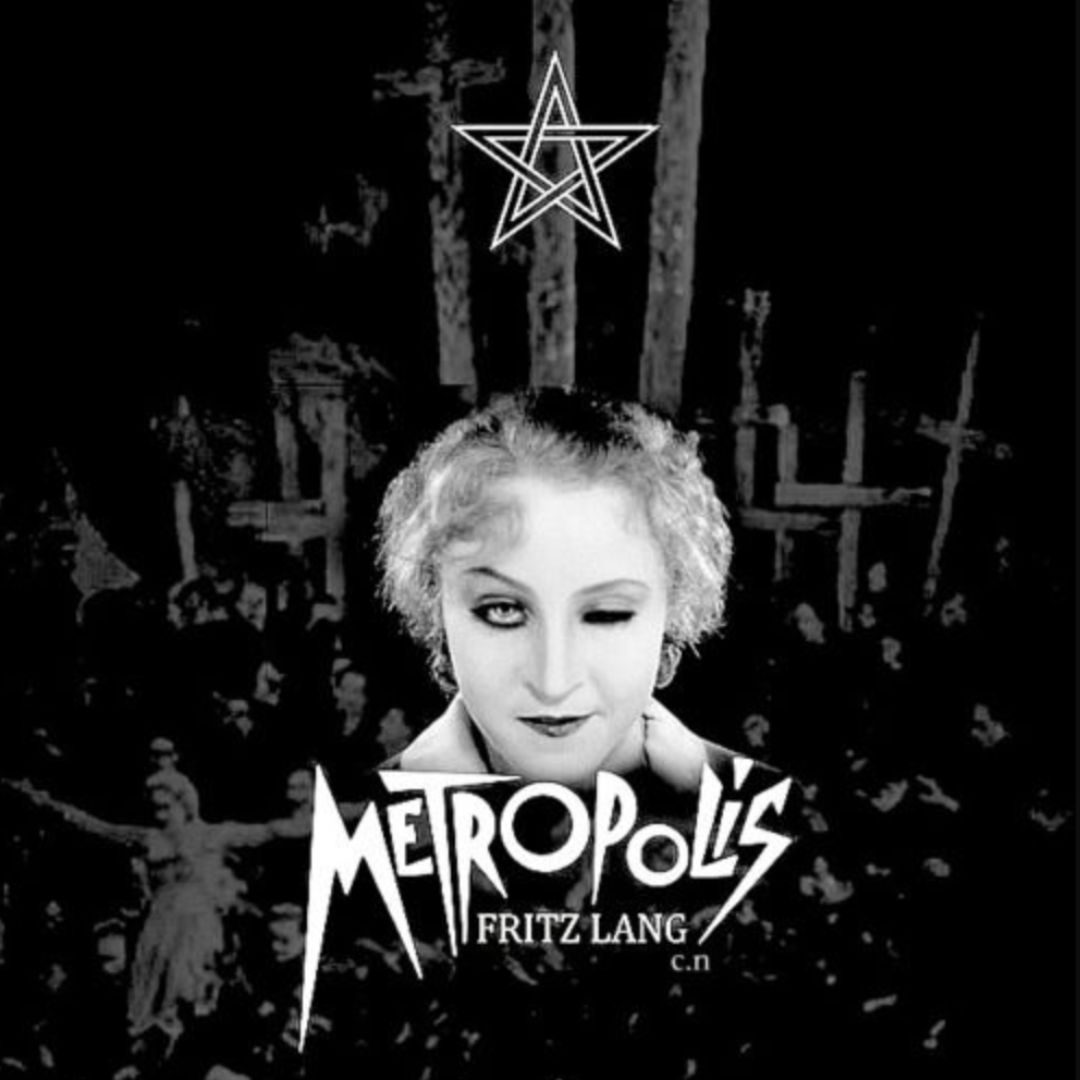
Moreover, the influence of Fritz Lang's “Metropolis” is palpable in the film’s critique of modernity and technology. Bella, much like the created humanoid of Lang’s narrative, symbolizes the intersection of human vulnerability and the mechanical, showcasing the dangers and ethical dilemmas of scientific advancement. Lanthimos uses this parallel to enhance the film's exploration of autonomy, consciousness, and the definition of being human in a rapidly evolving world.
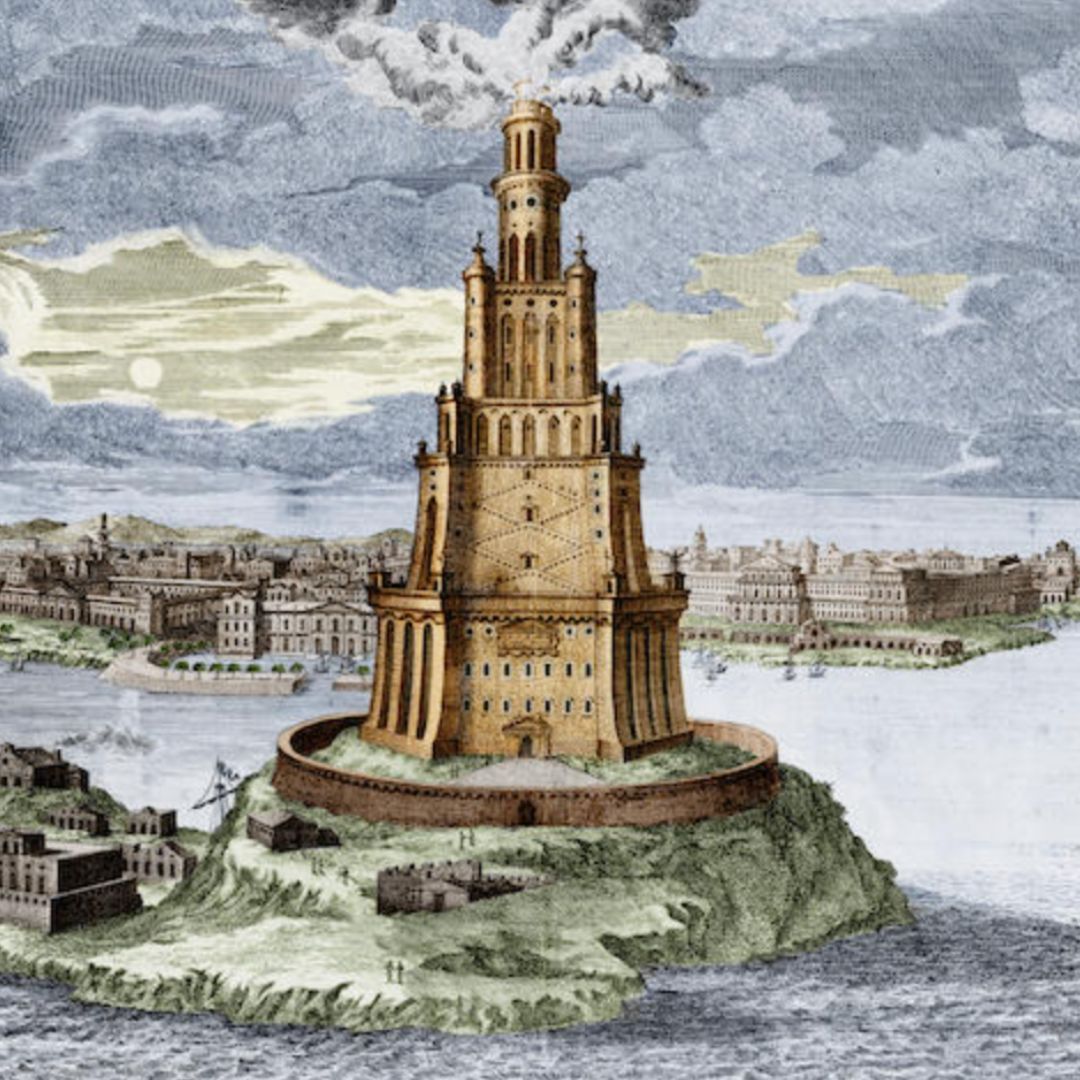
The Lighthouse of Alexandria, another historical reference in the film, symbolizes enlightenment and guidance amid chaos. Bella, navigating through her reconstructed life, seeks light amidst her confusing existence, much like sailors would look towards the lighthouse for direction. This metaphor extends to her role in the narrative, serving as a beacon that challenges the dark waters of societal expectations and gender roles.


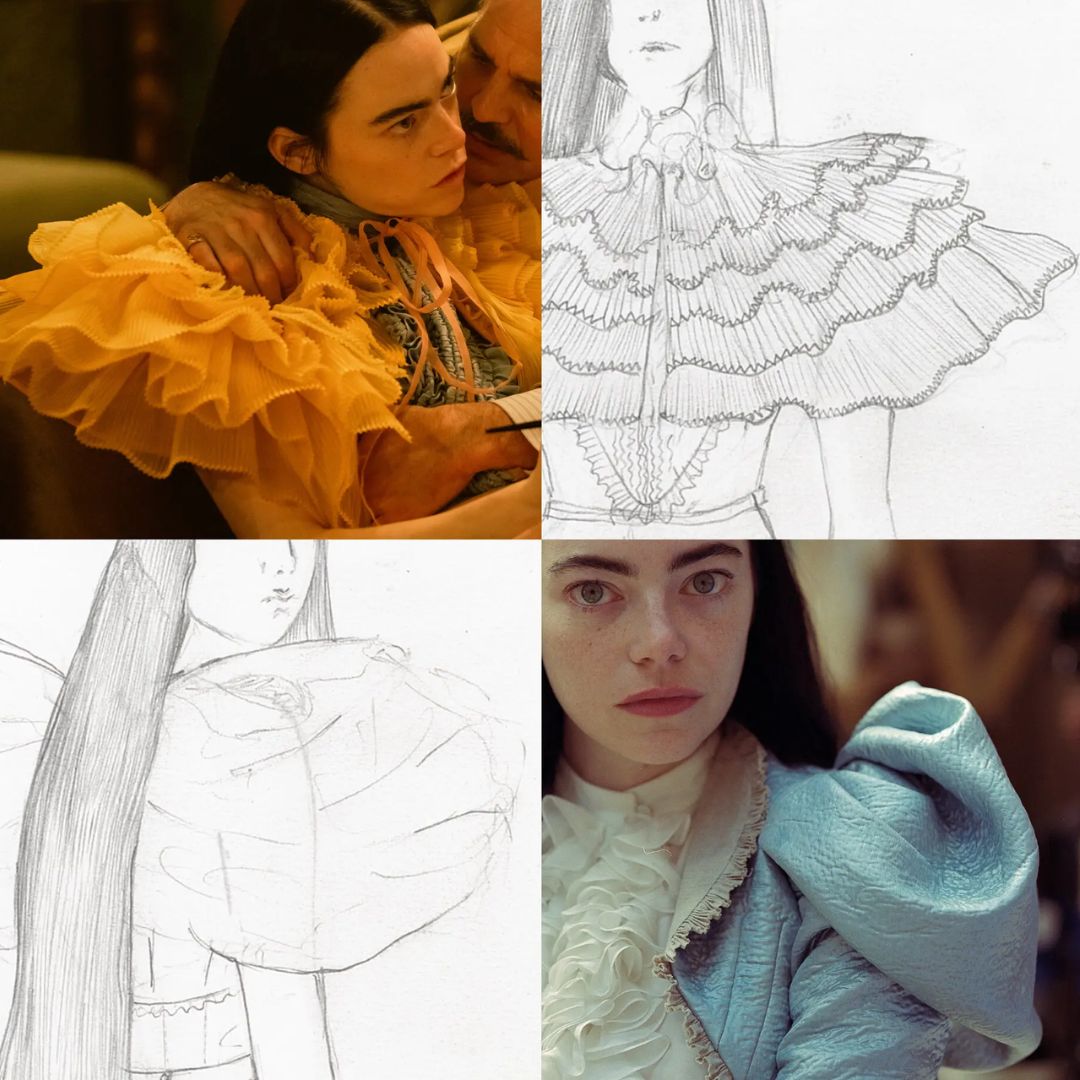
Visually, “Poor Things” is a feast of unusual and symbolic costumes that reflect the characters’ complex narratives and the film's thematic richness. These costumes not only signify the characters’ societal statuses and inner transformations but also add a layer of commentary on the period’s fashion as an extension of personal identity and liberty, as mentioned in the article “Unfurling the Unusual Costumes of Poor Things” written by Melena Ryzik.
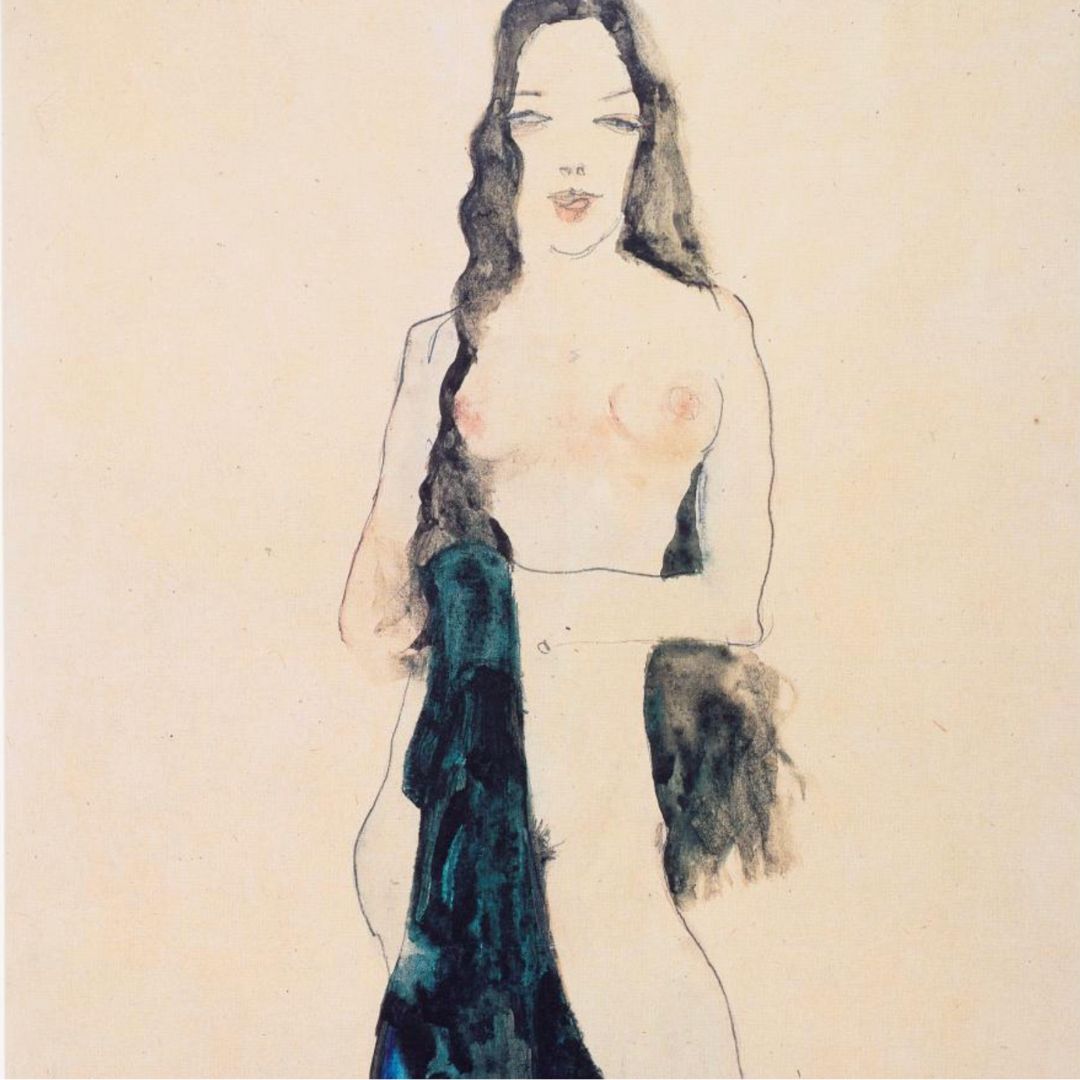
The painting “Nude Girl Standing with Long Black Hair & Blue-Black Drape” was used as a reference for Bella’s apperarance linking her character to the concept of the muse and subject in art, who is both observed and observer, passive yet powerful.
Through “Poor Things”, Lanthimos not only crafts a narrative about the bizarre and the surreal but also invites viewers to reflect on the essence of humanity and freedom. The film becomes a grand tour itself, not just through geography but through history, art, and the human psyche, making Bella not merely a character in a story but a profound statement on life itself. The music is also an important component of this journey, as the soundtrack complements its rich, multi-layered narrative, with an orchestration of sound that blends classical and modern elements making the movie experience even more immersive.
Crafted as a valuable tool for scholars, students, and fans alike, this project aims to shed light on the universe of our chosen connections for the concept of “Poor Things”.
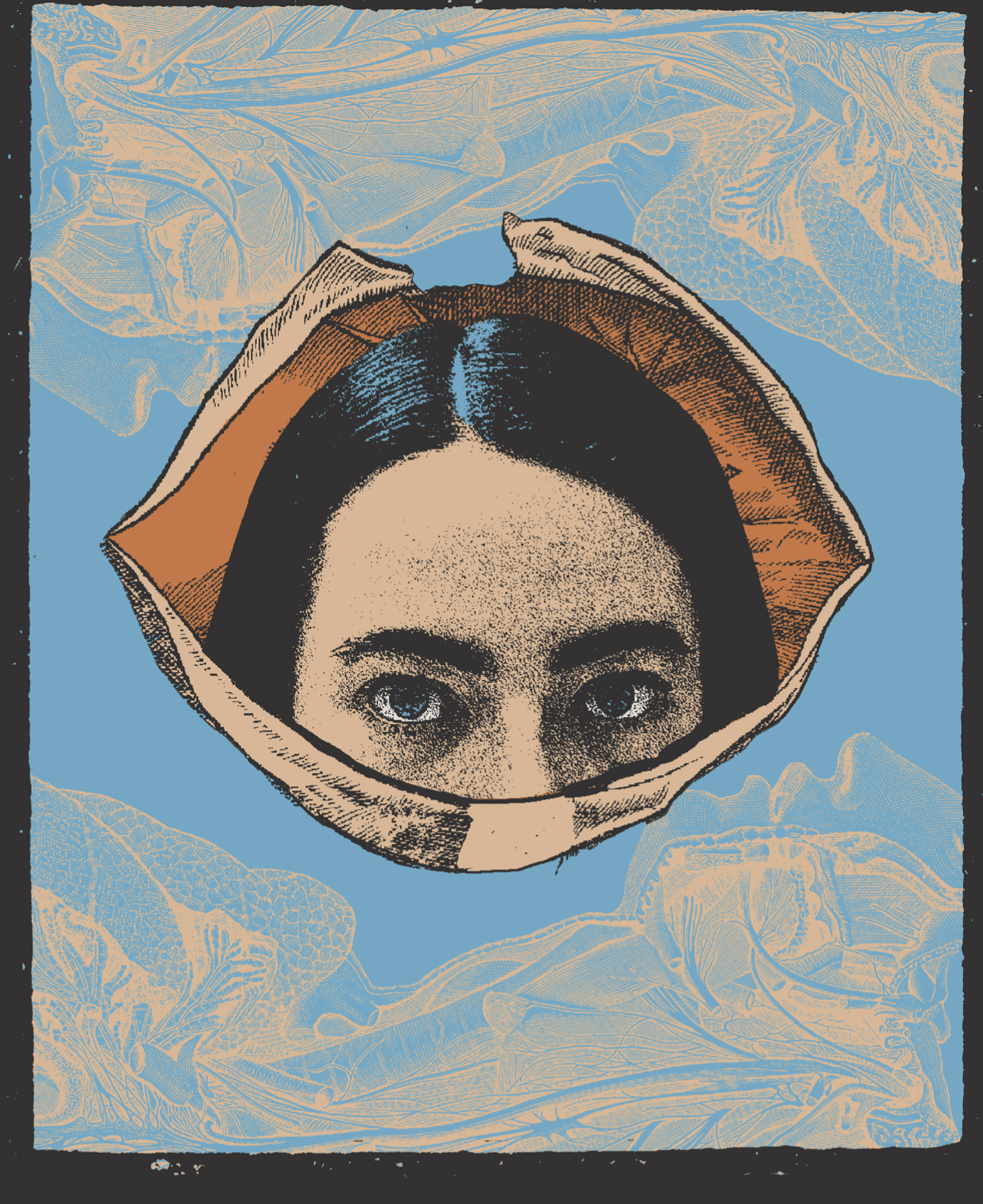
bella baxter 2

The materials for this project can be accessed through this Github repository.

The Items

At the beginning of our project, we set out to select ten distinct elements related to our main concept, with the goal of ensuring these items fit cohesively and conveyed a narrative about “Poor Things”. We carefully considered how each element connected to various people, places, times, and ideas, meticulously choosing each item to ensure it was both interesting and diverse.

Below, you'll find short descriptions and links to learn more about each item.

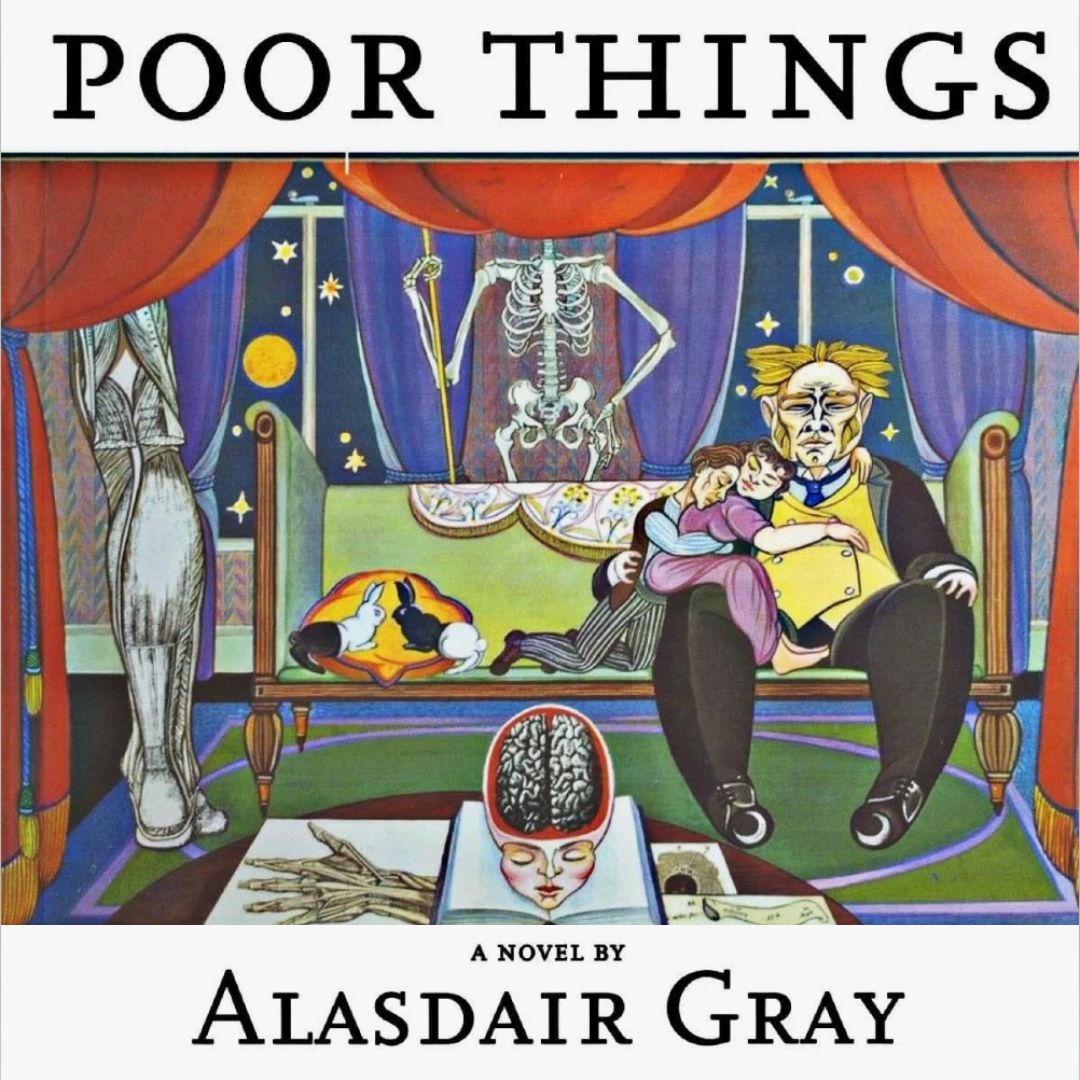
Book cover
Poor Things: Episodes from the Early Life of Archibald McCandless M.D., Scottish Public Health Officer

The book written by Alasdair Gray, from which the film “Poor Things” is an adaptation. Published in 1992, Gray's novel is a gothic and satirical revisiting of Mary Shelley's Frankenstein story, set in Victorian-era Scotland.

Learn more
Yorgos Lanthimos
Yorgos Lanthimos

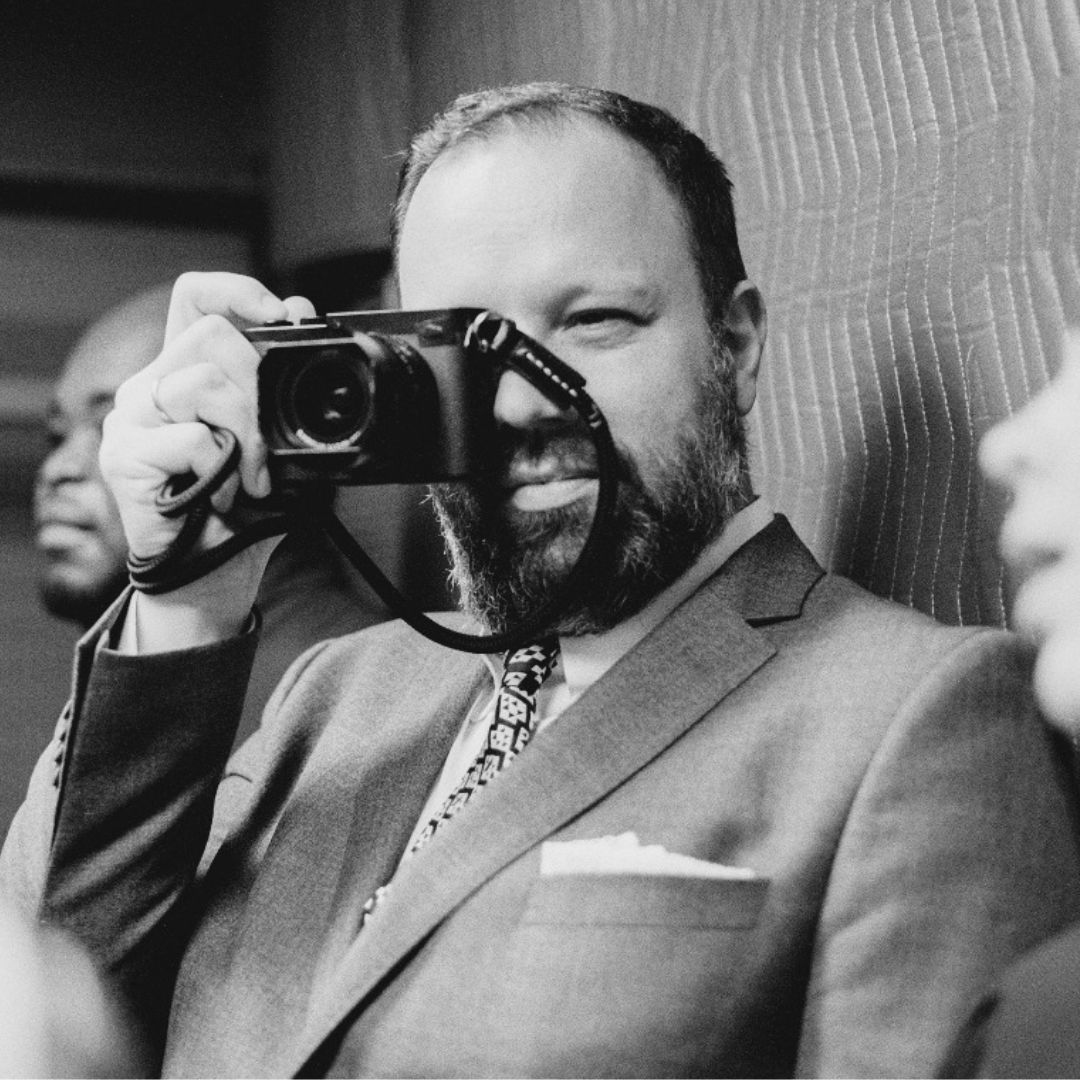
The director of “Poor Things” is Yorgos Lanthimos, known for his distinctive style and compelling storytelling. With a penchant for thought-provoking storytelling, Lanthimos has carved out a niche in the film industry, garnering both critical acclaim and a dedicated following for his distinctive approach to filmmaking.

Learn More
...
The Garden of Earthly Delights

Hieronymus Bosch's painting serves as a guiding influence, shaping both the visual aesthetics and thematic essence of the film. This cinematic exploration pays homage to the intricate symbolism and profound themes depicted in the renowned artwork, offering viewers a captivating journey into its surreal landscapes and thought-provoking narratives.

Learn More
...
Soundtrack

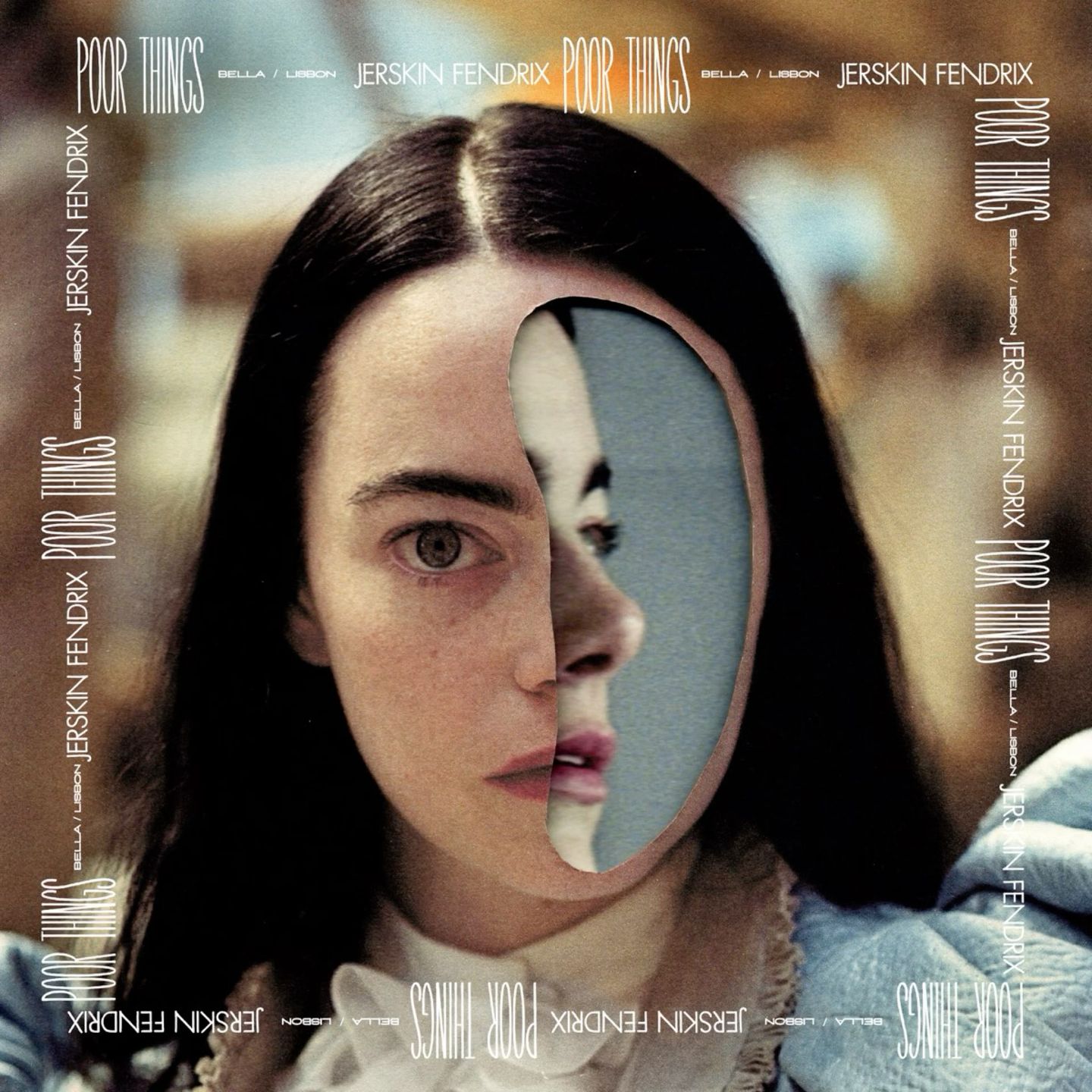
The soundtrack of “Poor Things”, composed by Carminho & Jerskin Fendrix , weaves together live recordings and synthesized effects, creating a mesmerizing digital landscape that delves into the enigmatic nature of human existence and mortality.

Learn More
...
Bella Baxter

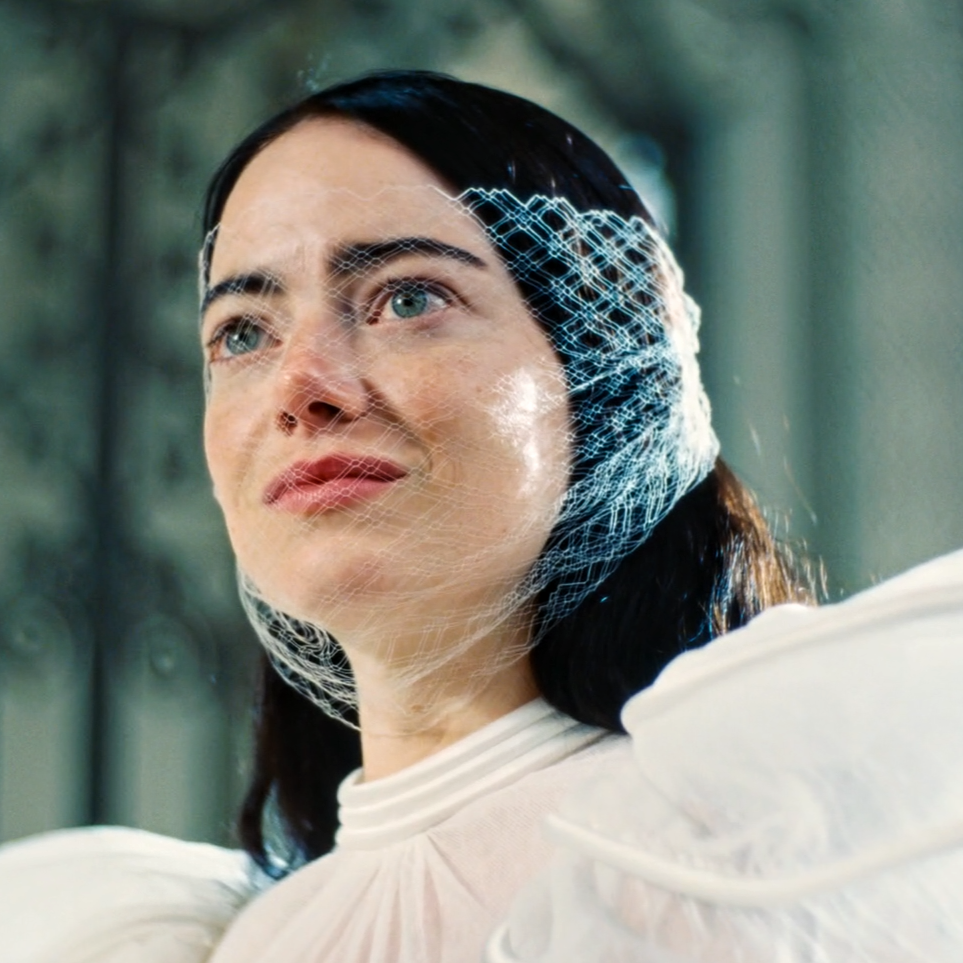
Bella Baxter is a character marked by her remarkable journey of self-discovery and transformation. Resurrected from the dead with the brain of an infant, Bella's narrative explores themes of identity, knowledge acquisition, and personal growth.

Learn More
...
Metropolis

“Metropolis” (1927), directed by Fritz Lang, served as a reference for the creation of the film “Poor Things”. Numerous characters, narratives, and, most importantly, questions of self-identification intertwine in these two cinematic works.

Learn More
...
Article

New York Times article that delves into the costume design journey within the film “Poor Things”, featuring insights from designer Holly Waddington as she explores Emma Stone's on-screen transformation into Bella Baxter.

Learn More
...
Lighthouse of Alexandria

The Lighthouse of Alexandria is a monumental structure from ancient Egypt's Ptolemaic dynasty and one of the seven wonders of the ancient world. In the movie, it serves as the backdrop for Bella's awakening to the realities of injustice and class disparity, during her visit to Alexandria.

Learn more
...
Nude Girl Standing With Long Black Hair & Blue-Black Drape

Director Yorgos Lanthimos took inspiration from this Egon Schiele's painting, particularly the subject's long black hair and unapologetic sensuality, to shape Bella's appearance in the movie.

Learn more
...
Grand Tour

The Grand Tour was an educational trip trough Europe and the Mediterranean area, performed by young upper-class men between the late 17th and early 19th. Bella's travels echo the tradition of the Grand Tour, as she not only explores the world for the first time but also embarks on a journey of self-discovery.

Learn more

TEXT CONVERSIONS

In this phase, our team utilized advanced computational tools to thoroughly analyze the digital edition of “Poor Things” by Alasdair Gray.

By employing XML/TEI encoding, XSLT conversion techniques, RDF/XML representation, and Python scripting, we aimed to uncover the intricate layers of meaning embedded in Gray's work.


XML/TEI Conversion

We have encoded an XML/TEI document to meticulously represent the textual structure of the initial six pages of Chapter 14 from “Poor Things”. This document captured a pivotal moment in the book, presenting a letter authored by the protagonist, Bella Baxter, addressed to her presumed creator and father, Goldwyn Baxter. Within its contents, we encountered both structured dialogues, presented in verse format, and flowing free text. This letter not only served as a narrative device but also shed light on key relationships and themes within the story.
By meticulously encoding it according to the TEI (Text Encoding Initiative) guidelines, we ensured the fidelity of the original text's richness and complexity.

The XML/TEI document of “Poor Things” text's sample is available at this link.


XSLT Document for XML to HTML Conversion

In this section, we utilize the XSLT (Extensible Stylesheet Language Transformations) language to transform XML documents into HTML format. The primary purpose of this conversion is to enable the display of XML data in a user-friendly, web-compatible manner. During this process, we ensure that the stylistic structure of the original document is preserved, maintaining consistency and visual integrity across different formats.  

For the code of our implementation, please refer to this link.

The resulting converted document can be viewed here.

To automate the conversion procedures, we created a Python script designed for converting XML/TEI documents into HTML. Using libraries like lxml, this script efficiently manages the conversion process with reliability.


RDF/Turtle Dataset

The team designed a Python script to convert text encoded in XML/TEI into RDF/Turtle format. This script enabled us to extract significant components of the text, such as people, places, lines, and quotes, from the TEI-encoded content and assign each of them a URI (Uniform Resource Identifier) for identification. We then used appropriate properties from metadata standards to express meaningful relationships between these components. The code for this process can be found here.

The output of the Python script is represented in the following Turtle dataset. Firstly, the text itself is identified as an entity, and related metadata (e.g., author, publishing house, date of publication) are extracted and linked to it. We also identified people and places, linking them to the URIs of the lines of text where they are mentioned and representing the reverse relationship by linking each line to the URI of the character or place it mentions. Additionally, we identified dialogue quotes and specified which character spoke them.


KNOWLEDGE ORGANIZATION

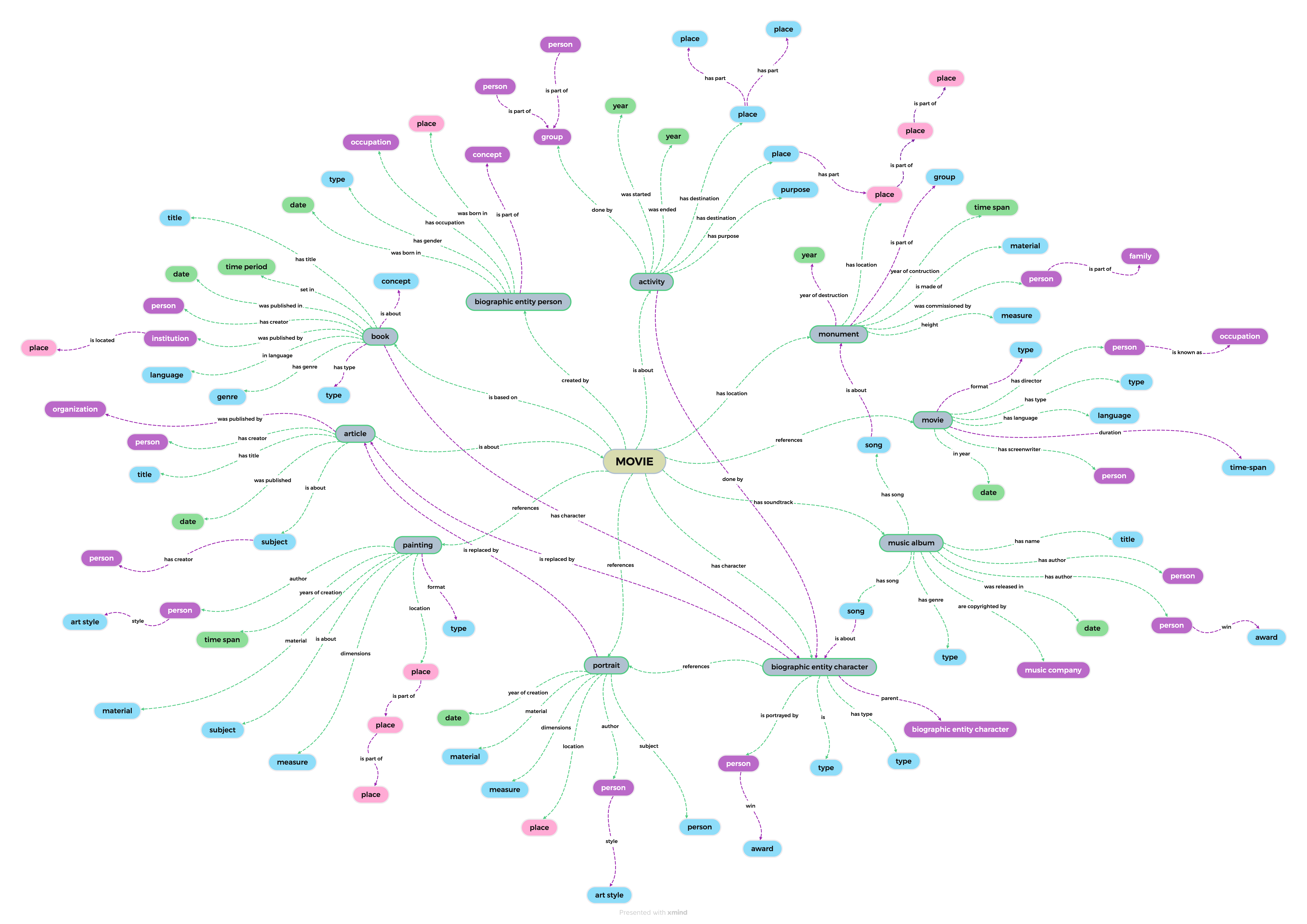
Conceptual Map

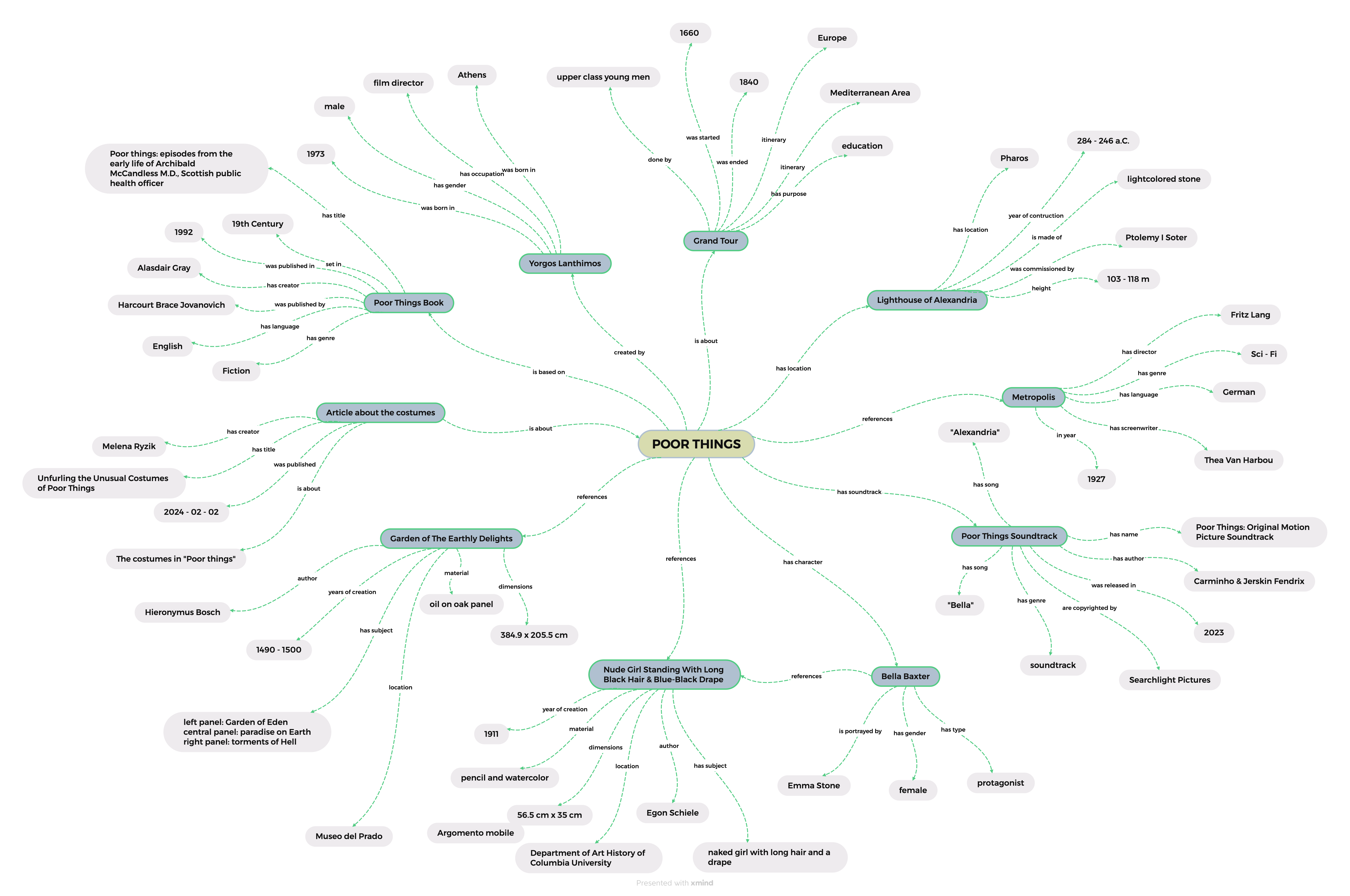
Regarding “Poor Things”, the selected items play a pivotal role in authentically narrating its story. Our conceptual map aims to depict the gathered data in natural language, illustrating the extracted information and the connections between them. Light blue nodes in the graph denote the selected items, while grey nodes highlight metadata, so significant events and individuals associated with the main subject.

Conceptual Map

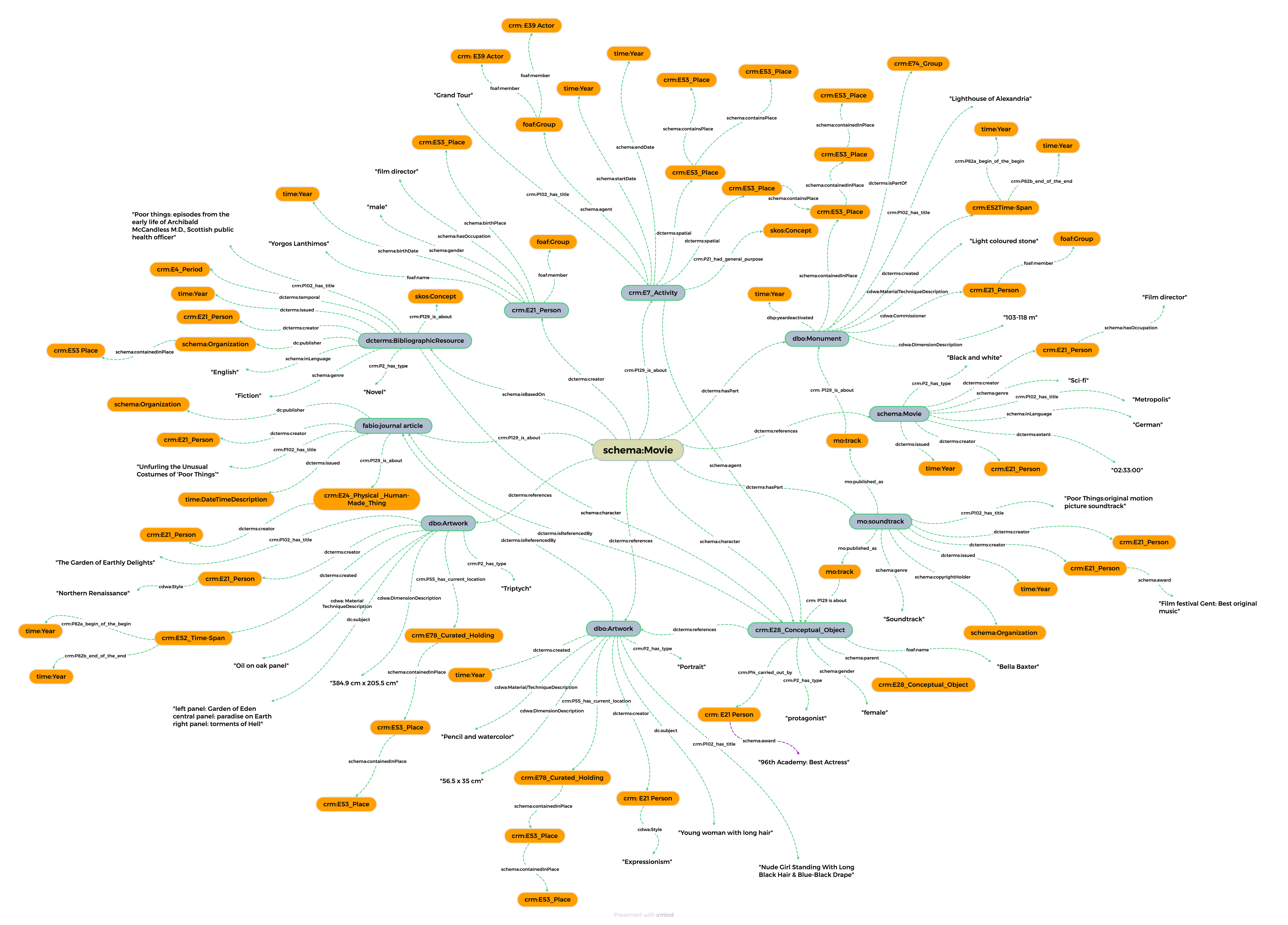
E/R Model

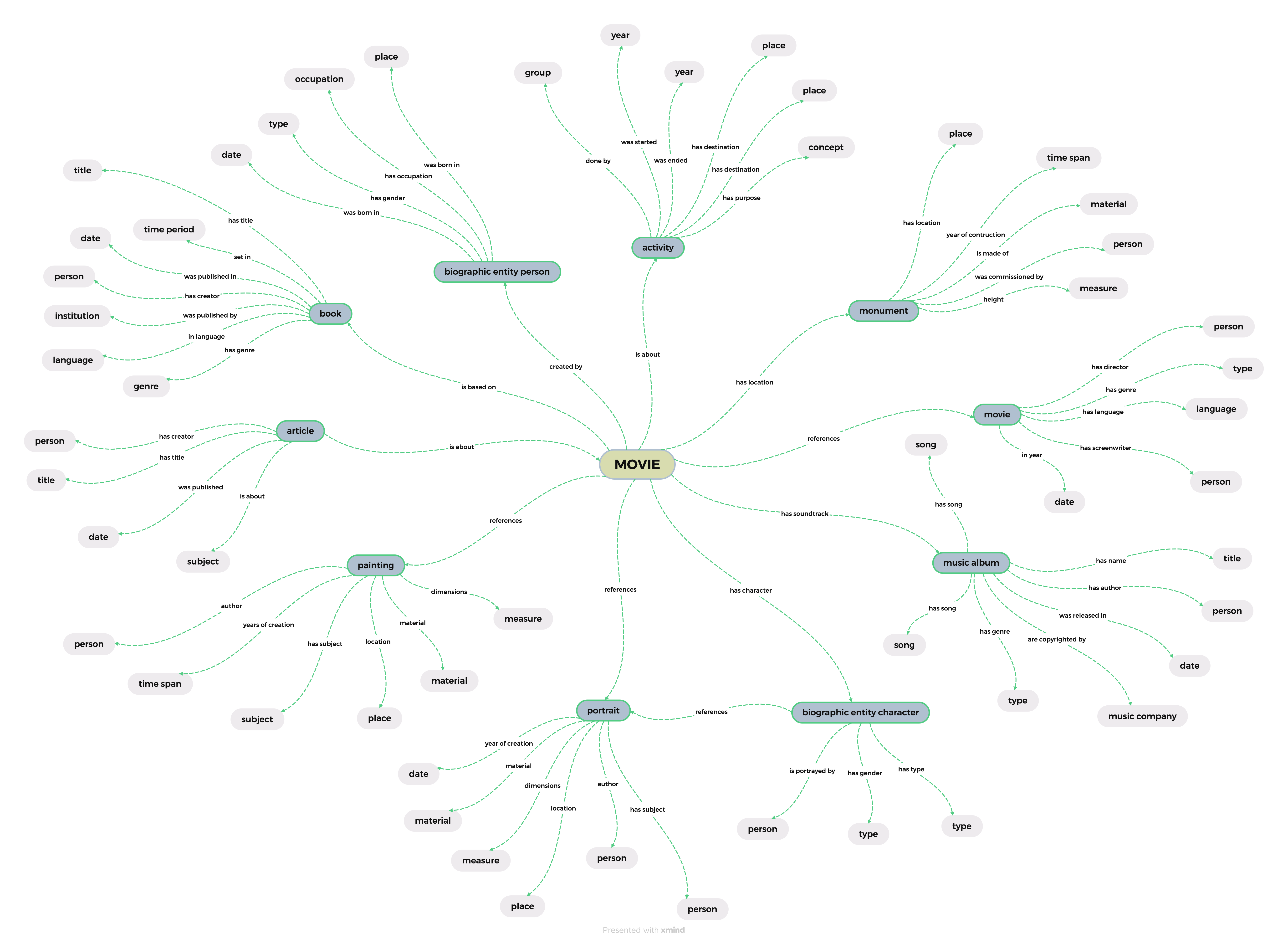
In this second model, the data and relationships from the conceptual map are represented in a more abstract manner. Here, individuals, dates, subjects, places, and other elements are represented as entities, while the connections between them are depicted as relationships.

E/R Model

Metadata Analysis

We conducted a thorough evaluation of our selected items, carefully examining how they are described on their respective source websites. This involved a detailed analysis of the descriptions provided by the original sources to understand the key attributes and characteristics highlighted for each item. Based on this comprehensive analysis, we identified and selected metadata standards that are most suitable for accurately describing each object. Our chosen metadata standards are designed to be coherent with the original descriptions, ensuring that the metadata captures all essential details and aligns seamlessly with the way the items are presented on their source websites.

Item Type Source
Yorgos Lanthimos Director Wikidata
Poor Things Book Openlibrary
The Grand Tour Activity Wikidata
The Garden of Earthly Delights Painting Museo del Prado
Metropolis Film IMDB
Lighthouse of Alexandria Monument Wikidata
Poor Things Soundtrack Genius
Bella Baxter Character Fandom
Nude Girl Standing With Long Black Hair & Blue-Black Drape Portrait Media Center for Art History
Unfurling the Unusual Costumes of “Poor Things” Article The New York Times

Metadata Alignment

After identifying all the standards, this final step allows for the complete description and connection of items. The main goal of this project has been to use shared semantic ontologies to ensure consistent data delivery. We have categorized all the properties into four groups: WHO, WHERE, WHEN, and WHAT.

  • Dublin Core: we chose the Dublin Core Metadata Initiative (DCMI) Terms because they provide a widely recognized and standardized vocabulary for describing a broad range of resources.
  • Schema.org: we selected Schema.org because it offers a robust and widely adopted set of schemas for structured data on the web.
  • CDWA: the Categories for the Description of Works of Art (CDWA) were chosen because they provide detailed guidelines and standards specifically tailored for describing and cataloging works of art and cultural objects.
  • CIDOC CRM: we opted for the CIDOC Conceptual Reference Model (CRM) because it is an ontology specifically designed for cultural heritage information. It enables the integration, mediation, and exchange of heterogeneous cultural heritage data, which is essential for our project to connect and contextualize items across various institutions and disciplines.
  • Music Ontology: we chose the MO because it specifically describes music-related concepts and relationships. This is particularly relevant for parts of our project focused on music, allowing us to organize and link music-related data effectively on the web.

Regarding the standards, where we could not find the metadata alignment we wrote N/A on the table below.

Property Dublin Core Schema.org CDWA CIDOC-CRM MO FOAF
Creator dcterms:creator creator Creator Description
Creator Identity
Creator Role
P94 has created (was created by) composer made
Occupation N/A hasOccupation Life Roles N/A N/A N/A
Agent N/A agent Role P14 carried out by (performed) performer N/A
Publisher dc:publisher publisher N/A N/A publisher N/A
Commissioner N/A N/A Commissioner N/A N/A N/A
Member dcterms:isPartOf member N/A N/A member_of member
Name N/A name Creator Identity N/A N/A name
Parent N/A parent N/A P152 has parent (is parent of) N/A knows
Property Dublin Core Schema.org CDWA CIDOC-CRM MO
Copyright dcterms:rights copyrightHolder Copyright Statement
Copyright Holder Name
P105 right held by (has right on) label
Title dcterms:title name Title Text P102 has title (is title of) title
Type dcterms:type category Classification Term P2 has type (is type of) published_as
Gender N/A gender Gender N/A N/A
Dimension dcterms:medium materialExtent Dimension Description P43 has dimension (is dimension of) duration
Material dcterms:type material Materials/Techniques Description P45 consists of (is incorporated in) medium
Genre dcterms:type genre Style P2 has type (is type of) style
genre
Language dcterms:language inLanguage N/A P72 has language (is language of) N/A
Duration dcterms:extent duration N/A P4 has time-span (is time-span of) duration
Subject dcterms:subject about Subject P129 is about (is subject of) N/A
Mentions dcterms:description mentions N/A P67 refers to (is referred to by) N/A
Award N/A award N/A N/A N/A
Has Part dcterms:hasPart hasPart N/A P59 has section (is located on or within) has_track
Purpose N/A N/A N/A P21 had general purpose N/A
Is Part Of dcterms:isPartOf isPartOf N/A P4 is Part Of track
Referenced By dcterms:isReferencedBy citation N/A P67 is referred to by performance_of
References dcterms:references mentions
isBasedOn
N/A P67 refers to N/A
Character dcterms:isPartOf character N/A P4 is Part Of N/A
Property Dublin Core Schema.org CDWA CIDOC-CRM MO
Creation Date dcterms:created dateCreated Creation Date N/A composed_in
Publication Date dcterms:issued datePublished N/A N/A published_in
Start Date dc:date startDate Earliest Date P82a begin of the begin N/A
End Date dc:date endDate Latest Date P82b end of the end N/A
Temporal Coverage dc:temporal temporal N/A P4 has time-span time
Birth Date dcterms:date temporal N/A P98 brought into life (was born) N/A
Property Dublin Core Schema.org CDWA CIDOC-CRM MO
Location dcterms:spatial location Current Location P55 has current location publishing_location
Collection/Part Of dcterms:isPartOf isPartOf Work Broader Context P59 has section (is located on or within) part_of
Birth Place dcterms:spatial birthPlace Creation Place/Original Location N/A origin
Contained In Place dcterms:spatial containedInPlace CurrentLocation P89 falls within (contains) N/A
Contains Place dcterms:spatial containsPlace P89 falls within (contains) N/A N/A

Theoretical Model

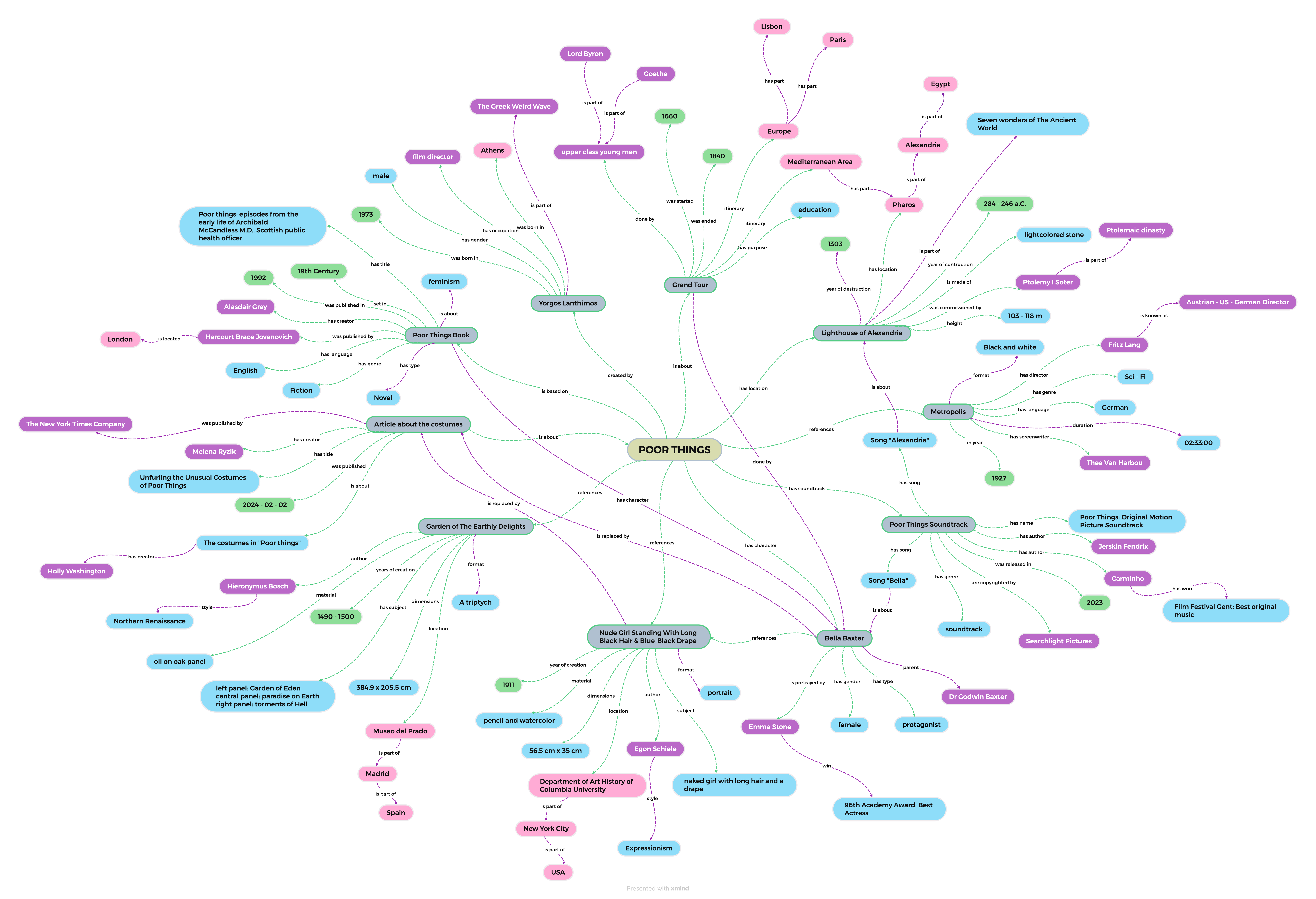
The theoretical model offers an extensive examination, articulated in natural language, detailing all properties associated with each item and the interconnections among domain entities. Their connections are represented by the purple arrows.

  • WHO? Identifying individuals related to the main topic and their respective roles.
  • WHAT? Providing descriptions of the objects: their purposes and characteristics.
  • WHERE? Pinpointing locations and significant places.
  • WHEN? Highlighting relevant dates and events.
Theoretical Model

Enhanced E/R Model

Transitioning from natural language to an Entity/Relationships model once more, we incorporate additional details akin to the previous E/R model. This augmentation aims to enrich the model with a deeper understanding of the relationships between entities and their attributes.

Enhanced E/R Model

Conceptual Model

At last, we arrive at the utmost level of abstraction through this formal representation. This model is ontological in nature as it depicts entities and relationships based on the final adopted standards and classes of the corresponding institutions. The properties utilized are sourced from existing schemas, ontologies, and vocabularies, ensuring alignment with established conventions and terminologies.

Conceptual Model

These are the prefixes that we used:

rdf: https://www.w3.org/RDF/
dc/terms: https://www.dublincore.org/
schema: https://schema.org/
crm: https://www.cidoc-crm.org/html/cidoc_crm_v7.1.3.html
cdwa: https://www.getty.edu/research/publications/electronic_publications/cdwa/index.html
dbo: https://dbpedia.org/ontology/
dbp: https://dbpedia.org/page/DBP/
mo: http://musicontology.com/specification/
time: https://www.w3.org/2002/07/owl#
fabio: https://sparontologies.github.io/fabio/current/fabio.html
foaf: http://xmlns.com/foaf/spec/
skos: https://www.w3.org/2009/08/skos-reference/skos.html


KNOWLEDGE REPRESENTATION

Items Description

In this segment, the team circled back to the items to characterize them based on the attributes outlined in the Conceptual Model. Below, for each item, a table with three columns is exhibited. Each column corresponds to the components of the triple (subject, predicate, object) while each row delineates a distinct statement.

To access the folder with the table information in CSV format, please click on this link.

Subject Predicate Object
Book crm:P102_has_title Poor Things: Episodes from the Early Life of Archibald McCandless M.D., Scottish Public Health Officer
Book dcterms:creator Alasdair Gray
Book dcterms:temporal 19th Century
Book dcterms:issued 1992
Book dc:publisher Harcourt Brace Jovanovich
Book schema:inLanguage English
Book schema:genre Fiction
Book crm:P2_has_type Novel
Book crm:P129_is_about Feminism
Book schema:character Bella Baxter
Subject Predicate Object
Biographic Entity Person schema:gender male
Biographic Entity Person schema:birthPlace Athens
Biographic Entity Person schema:birthDate 1973
Biographic Entity Person schema:hasOccupation Film director
Biographic Entity Person foaf.member The Greek Weird Wave
Subject Predicate Object
Painting crm:P102_has_title The Garden of Earthly Delights
Painting dcterms:creator Hieronymus Bosch
Painting dcterms:created 1490-1500
Painting crm:P2_has_type Tryptic
Painting dc:subject
  • Left panel: Garden of Eden
  • Central panel: Paradise on Earth
  • Right panel: Torments of Hell
Painting crm:P55_has_current_location Museo del Prado
Painting cdwa:Material/TechniqueDescription Oil on oak panel
Painting cdwa:DimensionDescription 384.9 cm x 205.5 cm
Subject Predicate Object
Soundtrack crm:P102_has_title Poor Things: Original Motion Picture Soundtrack
Soundtrack dcterms:creator Carminho
Soundtrack dcterms:creator Jerskin Fendrix
Soundtrack dcterms:issued 2023
Soundtrack schema:genre Soundtrack
Soundtrack schema:copyrightHolder Searchlight Pictures
Soundtrack published_as Song “Bella”
Soundtrack published_as Song “Alexandria”
Subject Predicate Object
Biographic Entity Character crm:P14_carried_out_by Emma Stone
Biographic Entity Character foaf:name Bella Baxter
Biographic Entity Character schema:gender female
Biographic Entity Character crm:P2_has_type protagonist
Biographic Entity Character dcterms:references Portrait
Biographic Entity Character schema:parent Dr Godwin Baxter
Biographic Entity Character dcterms:isReferencedby Article
Subject Predicate Object
Movie crm:P102_has_title Metropolis
Movie dcterms:creator Fritz Lang
Movie dcterms:creator Thea Van Harbou
Movie schema:genre Sci-fi
Movie schema:inLanguage German
Movie dcterms:issued 1927
Movie dcterms:extent 02:33:00
Movie crm:P2_has_type Black and white
Subject Predicate Object
Article dcterms:creator Melena Ryzik
Article crm:P102_has_title Unfurling the Unusual Costumes of “Poor Things”
Article dcterms:issued 2.02.2024
Article crm:P129_is_about Costumes in “Poor Things”
Article dc:publisher The New York Times Company
Article schema:mentions Portrait
Article crm:P129_is_about “Poor Things” Movie
Subject Predicate Object
Monument crm:P102_has_title Lighthouse of Alexandria
Monument dcterms:created 284 - 246 BC
Monument cdwa:Commissioner Ptolemy I Soter
Monument schema:containedInPlace Pharos
Monument cdwa:MaterialTechniqueDescription Lightcoloured stone
Monument cdwa:DimensionDescription 103-118 meters
Monument schema:endDate 1303
Monument dcterms:isPartOf Seven Wonders of the Ancient World
Subject Predicate Object
Portrait crm:P102_has_title Nude Girl With Long Black Hair & Blue-Black Drape
Portrait dcterms:created 1991
Portrait dc:creator Egon Schiele
Portrait crm:P55_has_current_location Columbia University
Portrait cdwa:MaterialTechniqueDescription Pencil and watercolor
Portrait cdwa:DimensionDescription 56.5 x 35 cm
Portrait dc:subject Young woman with long hair
Portrait crm:P2_has_type Portrait
Portrait cdwa:Style Expressionism
Portrait dcterms:isReferencedBy Article
Subject Predicate Object
Activity crm:P102_has_title Grand Tour
Activity schema:agent Young upper-class men
Activity dcterms:spatial Europe
Activity dcterms:spatial Mediterranean Area
Activity schema:startDate Late 18th century
Activity schema:endDate Early 19th century
Activity crm:P21_had_general_purpose Education
Activity schema:agent Bella Baxter

URI Production

In this step, we select the items from our provided list as RDF subjects. We create the following URIs to describe the items and their significant entities. These URIs serve as unique identifiers for each item in the RDF representation, allowing us to describe their properties and relationships within the semantic web framework.

Items
https://w3id.org/PoorThings.org/
https://w3id.org/PoorThings.org/item/Poorthingsmovie
https://w3id.org/PoorThings.org/items/Book
https://w3id.org/PoorThings.org/items/Biographic_Entity_Person
https://w3id.org/PoorThings.org/items/Painting
https://w3id.org/PoorThings.org/items/Music_Album
https://w3id.org/PoorThings.org/items/Biographic_Entity_Charecter
https://w3id.org/PoorThings.org/items/Movie
https://w3id.org/PoorThings.org/items/Article
https://w3id.org/PoorThings.org/items/Monument
https://w3id.org/PoorThings.org/items/Portrait
https://w3id.org/PoorThings.org/items/Activity

Article
https://w3id.org/PoorThings.org/person/Melena_Ryzik
https://w3id.org/PoorThings.org/physical_thing/Costumes_in_Poor_Things

Biographic Entity Character
https://w3id.org/PoorThings.org/person/Emma_Stone
https://w3id.org/PoorThings.org/conceptual_object/Dr_Godwin_Baxter

Biographic Entity Person
https://w3id.org/PoorThings.org/place/Athens
https://w3id.org/PoorThings.org/group_of_people/The_Greek_Wired_Wave

Book
https://w3id.org/PoorThings.org/person/Alasdair_Gray
https://w3id.org/PoorThings.org/timespan/19th_Century
https://w3id.org/PoorThings.org/organization/Harcourt_Brace_Jovanovich
https://w3id.org/PoorThings.org/concept/Feminism

Activity
https://w3id.org/PoorThings.org/group_of_people/Young_upper-class_men
https://w3id.org/PoorThings.org/place/Europe
https://w3id.org/PoorThings.org/place/Mediterranean_Area
https://w3id.org/PoorThings.org/concept/Education

Monument
https://w3id.org/PoorThings.org/person/Ptolemy_I_Soter
https://w3id.org/PoorThings.org/time/284-246_BC
https://w3id.org/PoorThings.org/place/Pharos
https://w3id.org/PoorThings.org/place/Alexandria
https://w3id.org/PoorThings.org/group_of_object/Seven_Wonders_of_the_Ancient_World

Movie
https://w3id.org/PoorThings.org/person/Fritz_Lang
https://w3id.org/PoorThings.org/person/Thea_Van_Harbou

Painting
https://w3id.org/PoorThings.org/person/Hyeronymus_Bosch
https://w3id.org/PoorThings.org/time/1490-1500
https://w3id.org/PoorThings.org/place/Museo_del_Prado
https://w3id.org/PoorThings.org/place/Madrid

Portrait
https://w3id.org/PoorThings.org/person/Egon_Schiele
https://w3id.org/PoorThings.org/place/Columbia_University
https://w3id.org/PoorThings.org/place/New_York_City

Soundtrack
https://w3id.org/PoorThings.org/person/Carminho
https://w3id.org/PoorThings.org/person/Jerskin_Fendrix
https://w3id.org/PoorThings.org/song/Song_Bella
https://w3id.org/PoorThings.org/song/Song_Alexandria


RDF Serialization

In this step, we employ the URIs generated previously to craft RDF statements in Turtle serialization format. These statements incorporate additional authorities and sources, linking them to the existing data of our items.

The Python code can be found here.


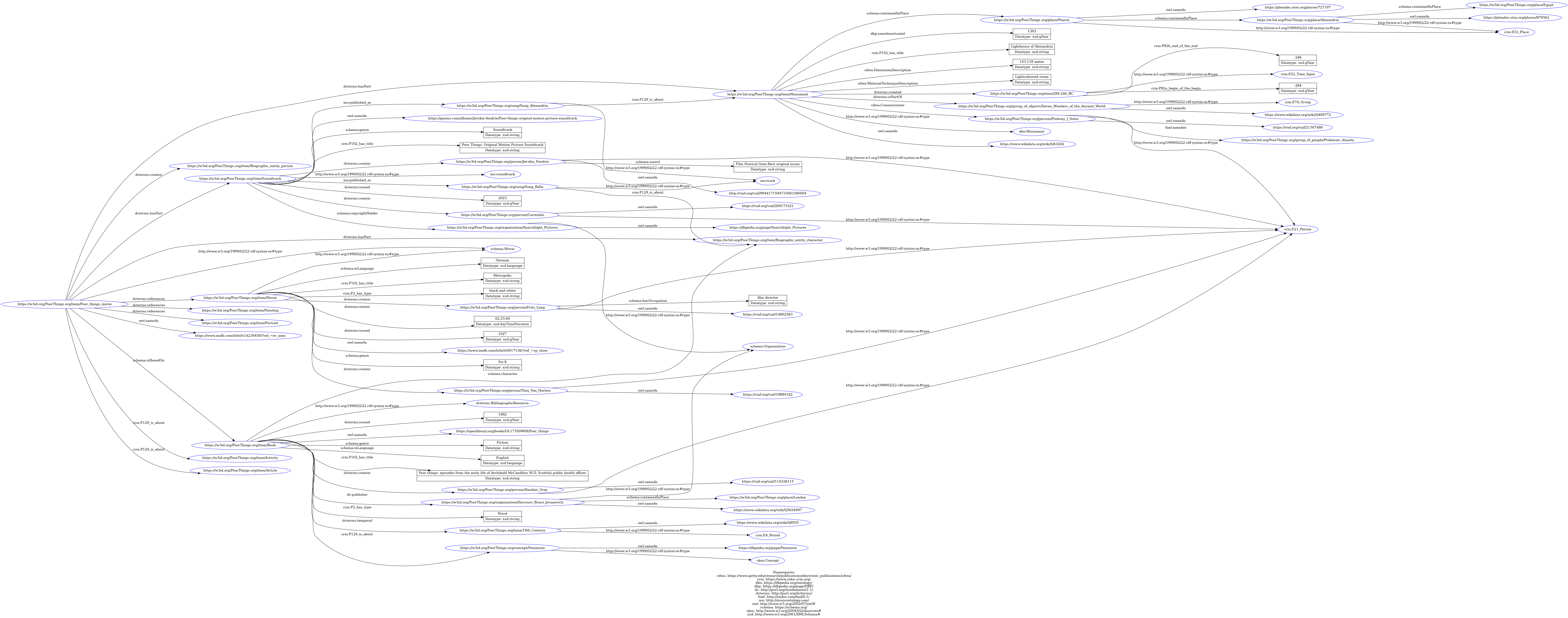
RDF Visualization

At last, here is the visualization of the RDF statements, providing a graphical representation to enhance the understanding of the knowledge. This visual representation illustrates the relationships between five selected items: our main concept, that is the movie “Poor Things”, the movie Metropolis, the book “Poor Things”, the Lighthouse of Alexandria, and the soundtrack.

RDF visualization

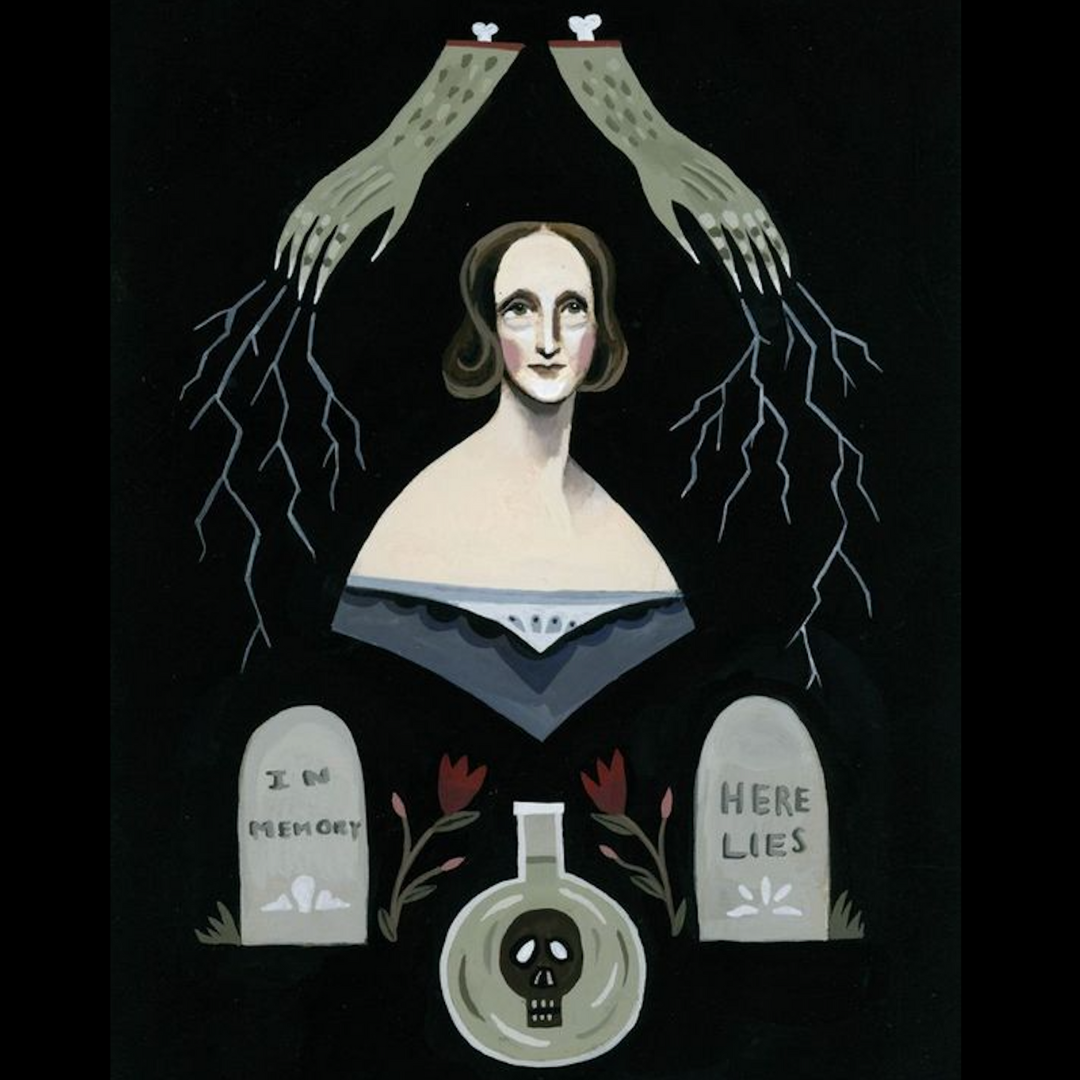
THE THREE MARY SHELLEY